Comprehensive Tree Services with Septic-Safe Pruning in Albuquerque, NM
Specialized Tree Management for Healthy Growth and Safe Septic Systems
Septic-Safe Tree Pruning Explained
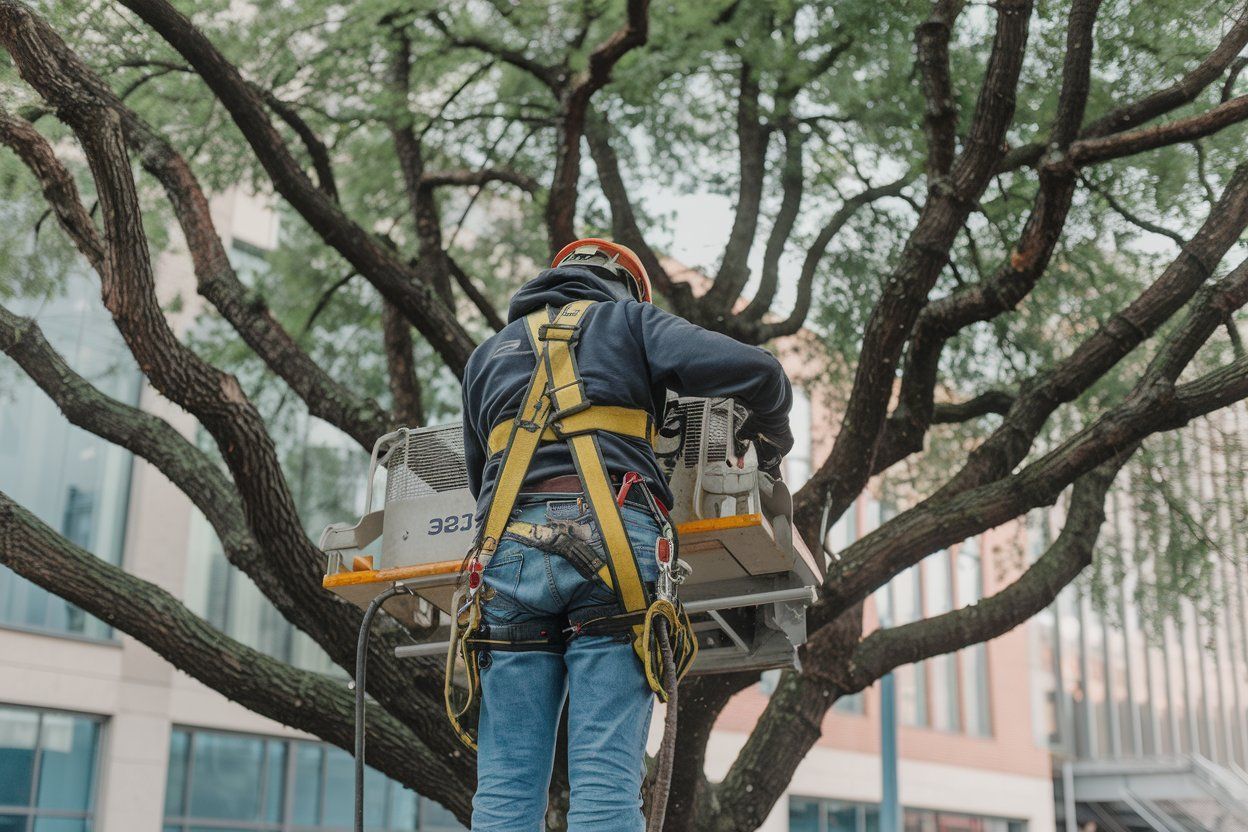
Septic-safe tree pruning focuses on carefully managing tree growth while protecting nearby septic systems and underground utilities. The process begins with a detailed site inspection, mapping tree canopies and root structures to identify areas where pruning is necessary without interfering with septic lines. Pruning is performed using specialized methods that limit soil disturbance and maintain tree health. Techniques include selective branch removal, crown thinning, and root management strategies designed to prevent intrusion into septic systems. Proper disposal of removed branches and debris is essential to maintain clean drainage and avoid contamination.
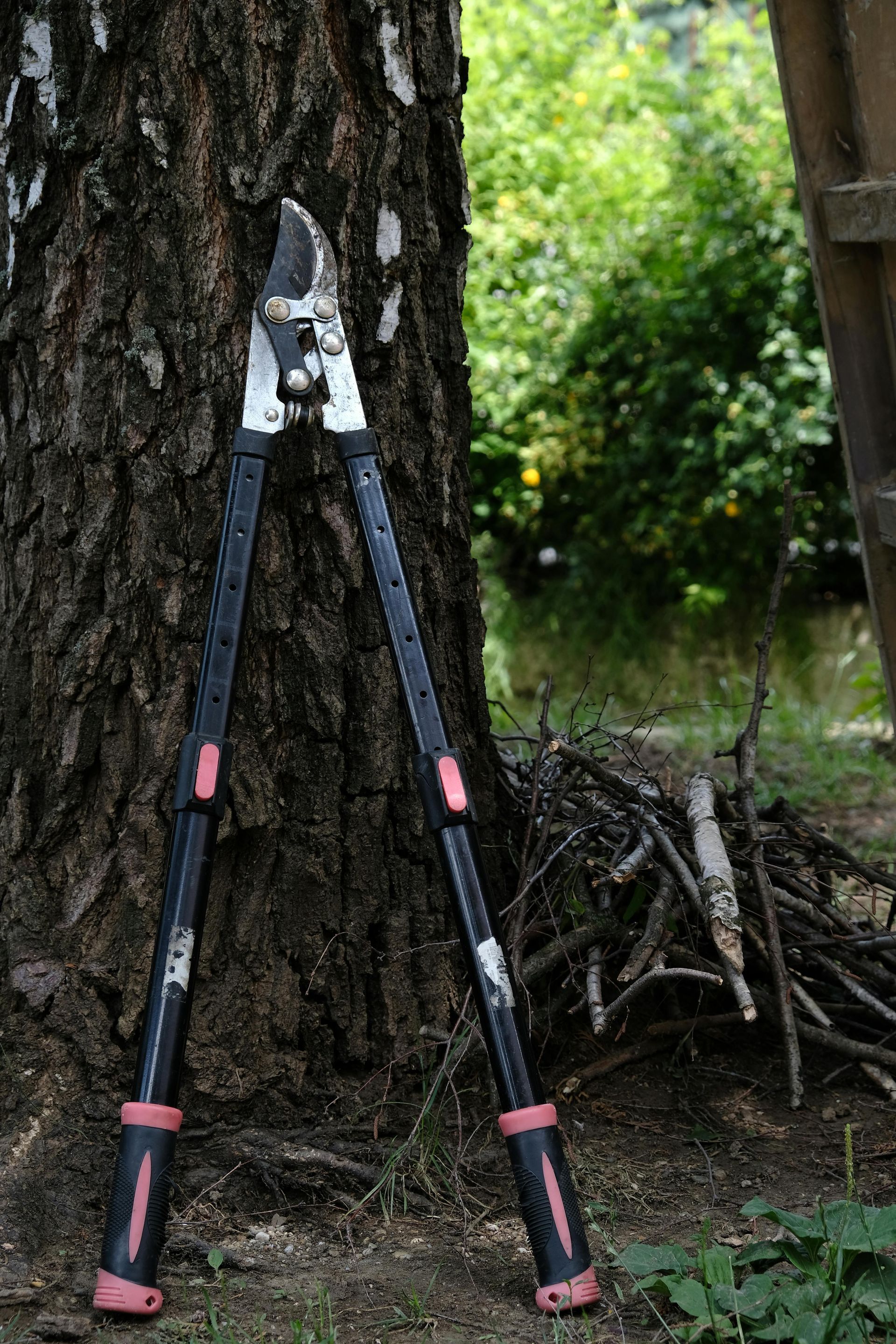
In addition, arborists often monitor soil conditions and moisture levels to ensure minimal impact on root systems. Seasonal considerations are taken into account, pruning at times that reduce stress on trees and encourage optimal recovery. Tools and equipment are regularly sanitized to prevent the spread of disease, while safety measures are implemented to protect both the surrounding environment and nearby infrastructure.
Regular septic-safe pruning promotes tree longevity, reduces the risk of disease, and ensures structural stability. This approach allows trees to thrive while minimizing potential hazards to underground systems. With careful planning and execution, trees maintain optimal health, and septic systems remain safe and functional.

Key Benefits of Septic-Safe Tree Services
Septic-safe pruning is a critical practice to maintain tree health and protect underground infrastructure. With Lopez Tree Services in Albuquerque, NM, trees receive structured care that balances growth, safety, and environmental responsibility.
🌱
Root Safety:
Careful pruning avoids damage to roots near septic systems.
✂️
Strategic Branch Removal:
Improves canopy balance and sunlight distribution.
🔍
Health Assessment:
Routine checks for disease, stress, or pest activity.
⚖️
Risk Management:
Ensures safety and reduces potential hazards around infrastructure.
♻️
Eco-Conscious Approach: Debris disposal and pruning practices minimize environmental impact.
Our approach emphasizes root protection, precise pruning, and proper debris management, ensuring strong, healthy trees while safeguarding septic systems. Arborists carefully assess each tree’s condition and growth patterns before performing any work, using specialized tools and techniques to minimize stress and damage. Each pruning session is tailored to the tree’s unique structure, environmental conditions, and proximity to septic lines. Regular maintenance and monitoring help prevent root intrusion, support overall tree vitality, and maintain safe, functional septic systems. Contact Lopez Tree Services at (505) 201-1969 for more information or scheduling services.
How Septic Pruning Works
The septic pruning process starts with a thorough evaluation of the tree and surrounding area. Arborists identify branches and roots that require attention while considering the proximity of septic lines. Planning ensures only necessary cuts are made, reducing the risk of damage to underground utilities. Pruning is performed with specialized tools that prevent soil disruption near septic systems. Branches are carefully removed, and debris is managed to maintain site cleanliness and prevent contamination.
Additionally, arborists assess soil quality, moisture levels, and overall tree stability before beginning work. Seasonal timing is considered to reduce stress on trees and promote optimal recovery. Safety protocols are strictly followed to protect both the environment and any nearby infrastructure. Arborists also monitor local weather conditions and adjust the pruning schedule to prevent excessive stress from wind or rain.
Every step is designed to protect both the tree and surrounding ecosystem while minimizing disruption. After pruning, arborists inspect the site for stability and recommend follow-up maintenance to support long-term tree health. This approach prevents root intrusion, preserves water flow, encourages proper canopy growth, and reduces potential hazards. Regular maintenance ensures trees remain strong, safe, and healthy for years, while septic systems remain fully protected and functional.